

 LIMITED TIME OFFER!
 FREE Shipping

The One Safety Feature That Changes How You Think About Heater Installation
14th Aug 2026
Most people approaching a heater installation for the first time focus on the obvious: where to drill, which anchors to use, whether the outlet can handle the draw. Those are the right things to think about. But every single Envi heater has a built-in feature that most homeowners never read about, don't think to ask about, and don't even know exists until their unit refuses to respond after mounting. It's called the Wall-Sens™. Once you understand what it does and why it's there, the whole logic behind how Eheat designs its heaters starts to make a lot of sense.
The Most Common Wall Heater Installation Problem Has a Three-Second Fix
The number one call we get at Eheat isn't about wiring or voltage. It's from someone who did everything right during their wall heater installation and still ended up with a unit that doesn't turn on. Cord plugged in, power button pressed, light not lit, no response from the heater.
Nine times out of ten, the Wall-Sens™ sensor just didn't make contact with the lever inside the back of the unit. That's it.
The Wall-Sens™ is an internal electrical contact point built into the right side of the heater's back panel. The circuit only closes when the sensor is firmly pressed against the wall. No contact, no operation. The heater won't heat, won't respond, and gives no sign that anything is happening. That might feel like a flaw the first time you run into it, but it's completely intentional. Eheat built the Wall-Sens™ so that the heater physically cannot run unless it's properly seated against the wall. An electric heater installation where the unit is dangling loose or not fully flush is a genuine safety hazard. The Wall-Sens™ eliminates that possibility at the hardware level, without any software layer or secondary system involved.
During a standard electric heater installation, the most common cause of this issue is the right side of the heater not pressing down far enough between the mounting clip and the wall surface. If the clip was overtightened during install, it can compress and close up that gap. Uneven walls do the same thing. One slightly misaligned clip, and the heater won't respond at all. The fix is to unseat the unit, loosen the clip slightly, reseat the heater, and press down firmly on the right side until you feel it settle. Most people who call us convinced they have a broken heater are back up and running inside a minute.
What a Convection Heater Installation Actually Requires From Your Wall
The Wall-Sens™ points to something bigger about how this type of heater works. A convection heater installation is fundamentally different from hanging a baseboard unit or doing a cove heater installation, and that difference runs deeper than just placement. The wall isn't just a surface to mount on. It's part of the thermal system.
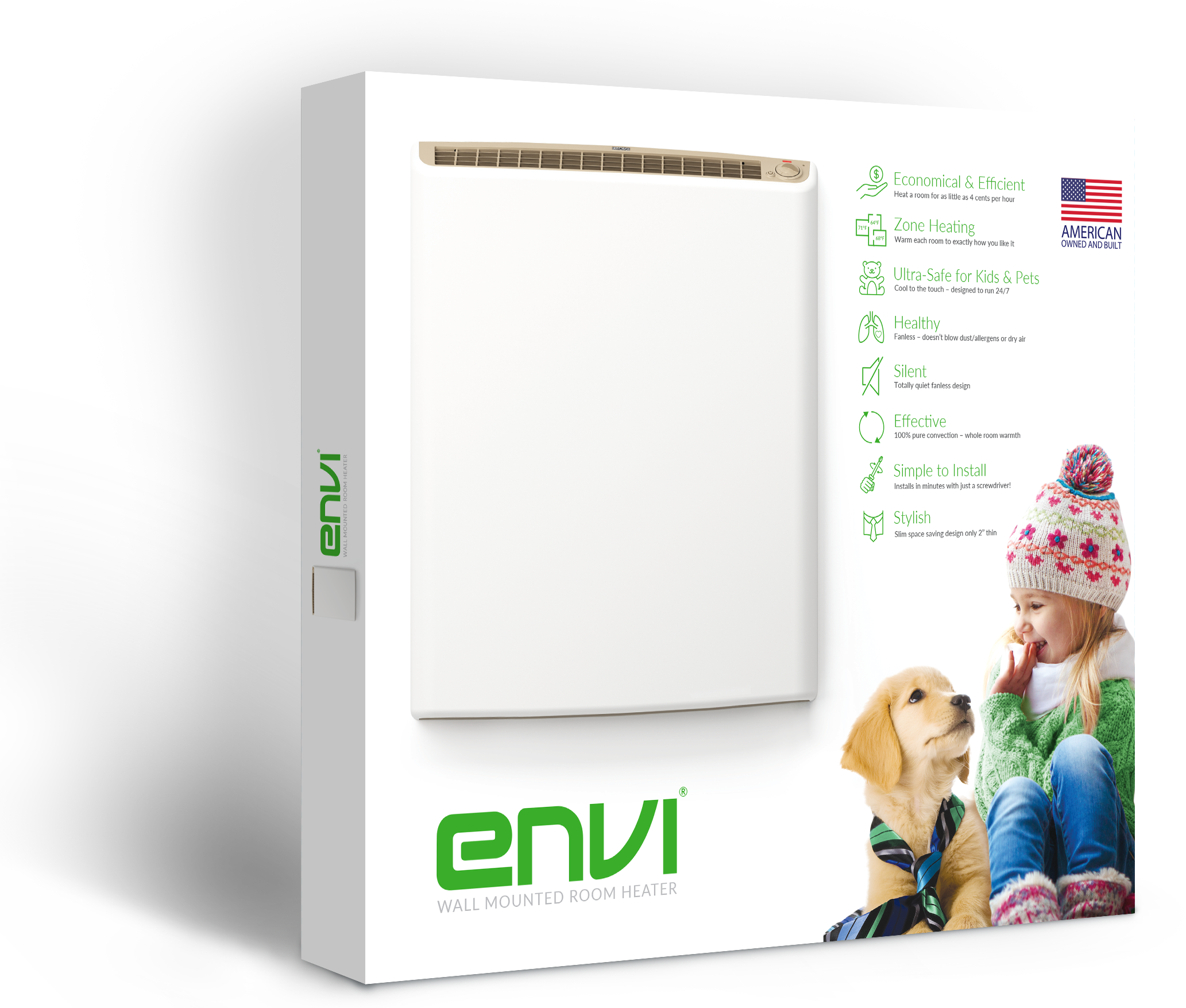
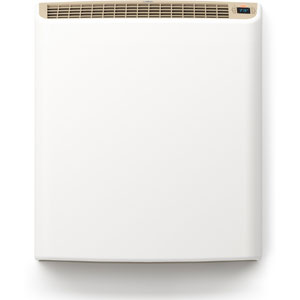
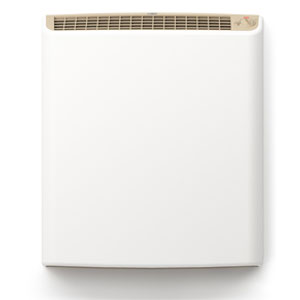
Envi heaters pull cool air in from the bottom, pass it over a low-wattage element, and allow warm air to rise naturally out the top. No fan, no forced air, no combustion. The wall behind the heater absorbs heat and slowly radiates it back into the room, which is a big part of why the unit runs so consistently rather than cycling on and off the way ducted systems do. A DIY heater installation where the heater is fully flush and properly seated takes full advantage of that convective loop. A loosely mounted unit might technically operate but won't deliver the same even warmth.
People doing a heater replacement after years of baseboard or cove heaters often expect the same mechanics they're used to. Cove heater installation positions the unit near the ceiling so radiant heat drops down into the room. With an Envi, you're doing the opposite: low floor-level mounting, upward convective flow, and wall contact as a core part of how heat moves through the space. The logic is different, and the Wall-Sens™ is a physical expression of that. Installing a new heater in your home means understanding not just where it goes, but how it's built to interact with its surroundings.
The Buying Question Nobody Asks Before a Heating System Installation
People tend to compare Envi heaters vs. other heating systems on surface-level specs: wattage, coverage area, price per unit. Those numbers matter. But the Wall-Sens™ is a good example of the design decisions that don't appear on any spec sheet.
Smart heaters with Wi-Fi controls and scheduling apps can be genuinely useful, and for some setups, that level of control makes a real difference. But many of them still run on fan-forced or baseboard principles, and the tradeoffs built into those methods don't change just because the thermostat is now controlled from a phone. A forced-air unit in a sealed room will still cycle dry air. A baseboard in a corner will still overheat the space around it. For a home heater setup in a room without ductwork (a basement, garage, sunroom, or rental unit), the real question is which heater works with the space, not which one looks best on a comparison chart.
Why choose Envi comes down to specifics. No exposed element, no fan cycling on and off, no trip hazard from a floor unit, and a safety sensor so fundamental to the design that it's also the feature most people misunderstand when they're getting one installed for the first time. We hear about this regularly. Someone does a careful, well-planned heater installation, the unit sits there doing nothing, and they spend twenty minutes troubleshooting a problem that clears up the moment they press the right side of the heater firmly against the wall.
That's the Wall-Sens™. And now that you know it's there, you'll probably never mount one wrong.